Emergency Hydro Jetting in Silver Spring, PA
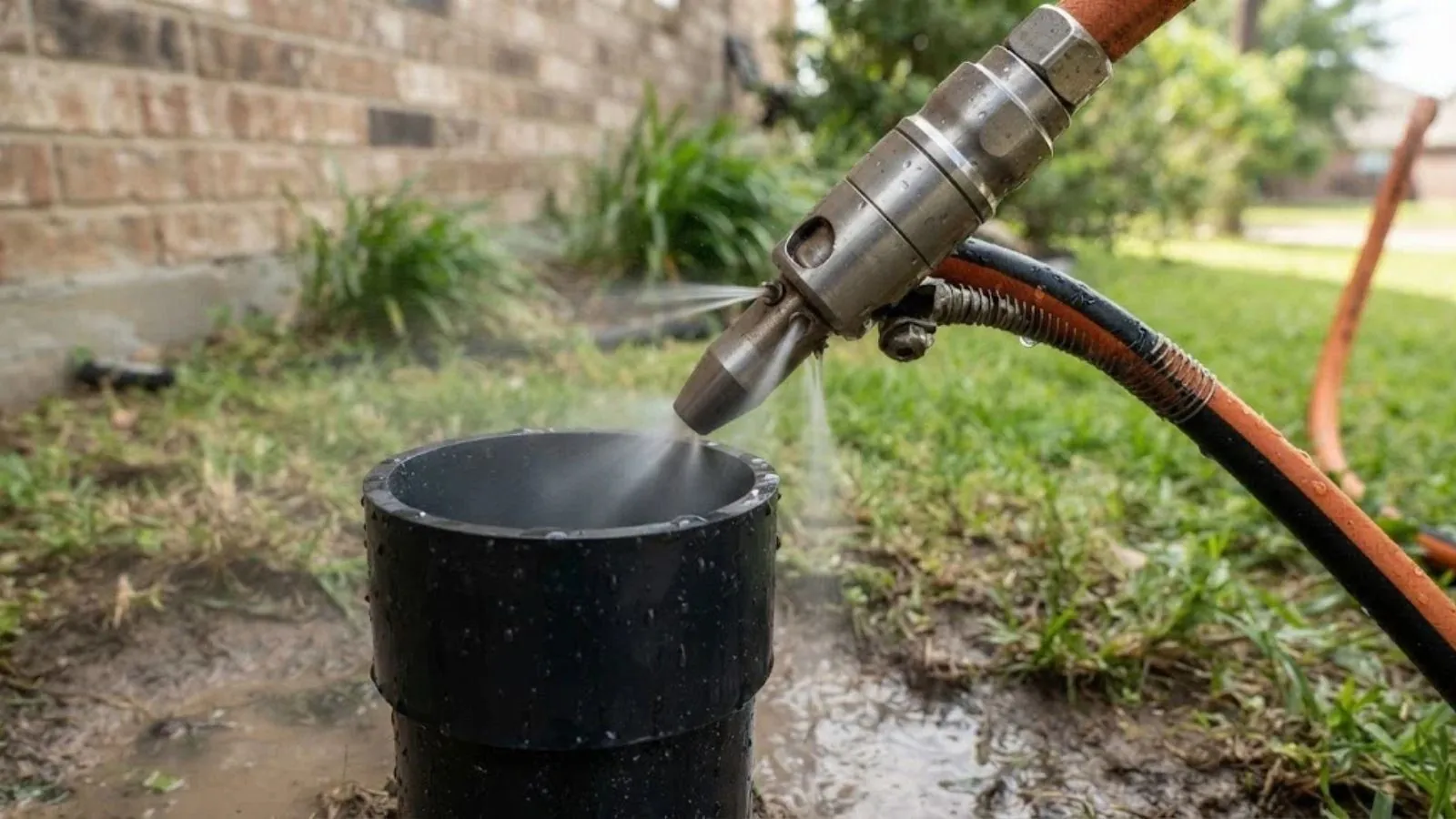
Hydro jetting is a drain cleaning method that sends high-pressure water through a nozzle to scour grease, scale and roots from the inside of a pipe. In Silver Spring, PA, our 24/7 line dispatches licensed plumbers when a line keeps clogging.
Snaked the drain and the slow flow keeps returning?
A cable punches a hole through a blockage but leaves the pipe wall alone. Grease and scale left behind begin to collect again, often within weeks. If one drain slows every month or two, or a line opens up and then fails again, the cable is treating a symptom.
Hydro jetting is the technical answer: water at high pressure, aimed backward through a nozzle, that scrubs the whole circumference of the pipe. The sections below cover when it helps, when it does not, and what a plumber checks first. For a single clogged fixture, ordinary drain cleaning is usually the better first call.
Backing up again: when a jetting call cannot wait
Our line is open 24/7, with same-day visits when the schedule allows. Jetting is normally scheduled once the line is open, but a backup that returns within hours, or sewage rising in a tub or floor drain, justifies a call at any hour.
Give the dispatcher the history. Knowing how often the line clogs and what was done last time tells the plumber whether to expect grease, roots or something else.
- Stop water use in the house until the plumber says otherwise.
- Find your cleanout, the capped pipe near the foundation or in the basement, and clear a path to it.
- Keep children and pets away from any sewage on the floor.
- Do not pour chemical cleaner into the line. Pressurized water can throw it back at whoever is holding the hose.
- Write down the date of the last cleaning and what method was used.
Cable or jet: which method fits the clog
Neither method is better in every case. The right choice depends on what is in the pipe.
| Situation | Cable | Hydro jetting |
|---|---|---|
| One hair or paper clog close to a fixture | Usually enough | More than the job needs |
| Grease coating a kitchen branch or main | Opens a channel, wall stays coated | Strips the coating off the wall |
| Roots growing in at a joint | Cuts a path, roots regrow | Cuts with a root nozzle and flushes the pieces out |
| Scale inside old cast iron | Scrapes some, may snag | Removes loose scale if the pipe wall can take the pressure |
| Collapsed or offset pipe | Stops at the break | Cannot fix it, but a camera pass shows where it is |
Jetting costs more time and equipment than a cable pass, so a plumber should choose it for a reason you can see on the camera.
A typical jetting visit, start to finish
Common methods follow the same order from one plumber to the next. Ask any company whether it has jetting equipment and a camera before you book, and ask us too.
- Look before pressure
The plumber who comes out finds the cleanout and often runs a camera or a light cable first, so the nozzle does not meet a collapsed section blind.
- Feed the hose past the clog
A flexible hose with a jetting nozzle goes in at low pressure until it passes the blockage.
- Pull back under pressure
Rear-facing jets drive the hose forward, and as it is drawn back the spray scours the wall and moves debris toward the exit.
- Work the problem spots
Grease bands, root clusters and scale are worked slowly, with the plumber choosing a spinning, cutting or flat-spray nozzle.
- Confirm with water and picture
Water is run through the line, and a final camera pass shows a clean wall or reveals damage the debris was hiding.
Roots in the line
Roots enter pipes at joints and small cracks because the wastewater inside carries moisture and nutrients. Once inside, they spread into a fibrous mat that catches paper and grease, which is why root lines clog on a regular rhythm.
A jetting pass with a cutting nozzle clears the mat and washes the pieces out. It does not close the joint the roots came through, so they grow back. A sewer camera inspection shows how many entry points exist and helps you choose between repeat cleaning and a repair.
What jetting cannot do
Water pressure cleans a pipe. It does not repair one. A cracked clay section, a bellied stretch holding standing water or a joint that has slipped apart will stay broken after a perfect jetting pass, and that is sewer line repair work.
Old cast iron deserves care too. Scale can hide thin spots, and removing it may reveal a pinhole that was plugged by rust. The plumber should set the pressure to match the pipe, and tell you what the camera shows.
Signs a line is a candidate for jetting
- More than one drain slows down, and they all clear for a while after a cable pass.
- A toilet gurgles or a tub bubbles when the washing machine drains.
- The kitchen line has needed clearing several times in a year.
- The sewer line has clay or cast iron sections and a history of root trouble.
- A faint sewer odor lingers near the cleanout or in the basement.
- A previous camera look showed heavy coating or scale but no break.
Septic homes and older lines near Mountville and Route 23
The township website asks septic owners to send pumping reports to the township, which tells you septic systems are common in West Hempfield. If your home uses one, tell the plumber before any jetting. Debris and flush water should move toward the tank in a way that does not stir its contents, and the pumping report shows how full it is.
Homes in Mountville, about 2 miles south of Silver Spring, are in our dispatch zone, and the Mountville emergency plumber page lists nearby ZIPs. Older homes there can have clay laterals that tolerate less pressure than plastic, so a camera check before a strong jetting pass is cheap protection.
What shapes the cost of a jetting visit
Jetting is priced by the work involved, which varies more than most drain jobs. A short, accessible kitchen line is a modest visit. A long main with heavy roots and no cleanout is a larger one.
More pipe means more hose, more time and more water to manage.
A usable cleanout keeps the job short. If none exists, one may need to be added before jetting.
Grease bands, packed roots and heavy scale each need a different nozzle and more passes.
A look before and after adds time but shows what the water actually did.
A late-night emergency visit is not scheduled like a daytime appointment, and the price is explained before work begins.
Coverage for damage from a sewer or drain backup varies by policy, so ask your insurer, and photograph the damage first. A dated photo of the affected floor and the cleanout is useful.
Not sure whether your line needs jetting or a simple cable pass? Then call (717) 349-9373 and tell us how often it clogs.
Hydro Jetting questions answered
Yes, the line is staffed 24/7. If a backup is active, the first goal is usually to get the line open, and jetting follows if the camera or the history shows grease, scale or roots. Same-day appointments are offered when available.
A cable clears a path but leaves the coating on the wall. New debris sticks to that coating and the opening narrows again. Jetting, plus a camera look to rule out a damaged section, addresses the cause instead of the blockage.
It can if the pressure is wrong for the pipe. Sound plastic, copper and cast iron handle it well. Cracked clay, thin scaled iron and loose joints need lower pressure or a different fix, which is why a camera check comes first on older lines.
No. It clears the roots that are inside the pipe, but the entry point stays open. Expect regrowth unless the joint is repaired or lined, and ask about the cleaning interval that fits your line.
Look for a capped pipe, often three or four inches wide, in the basement near where the main drain leaves the house, or outside near the foundation. If you cannot find one, tell the dispatcher. The plumber may use a toilet or a roof vent instead.
Ask whether they have jetting equipment and a camera, whether they look before they jet, and how they decide on pressure for old pipe. Pennsylvania also requires registration for contractors doing $5,000 or more of home improvement work in a year, so you can ask for the registration number.
Where the rules in this hydro jetting guide come from
- According to the Pennsylvania Office of Attorney General's Home Improvement Consumer Protection Act brochure, contractors doing $5,000 or more of home improvement work in a year must register, and a written contract is required when work costs more than $500. Check any contractor at attorneygeneral.gov.
Call the 24/7 line about hydro jetting
Describe the problem to the dispatcher and a licensed plumber is sent when the work is urgent.