
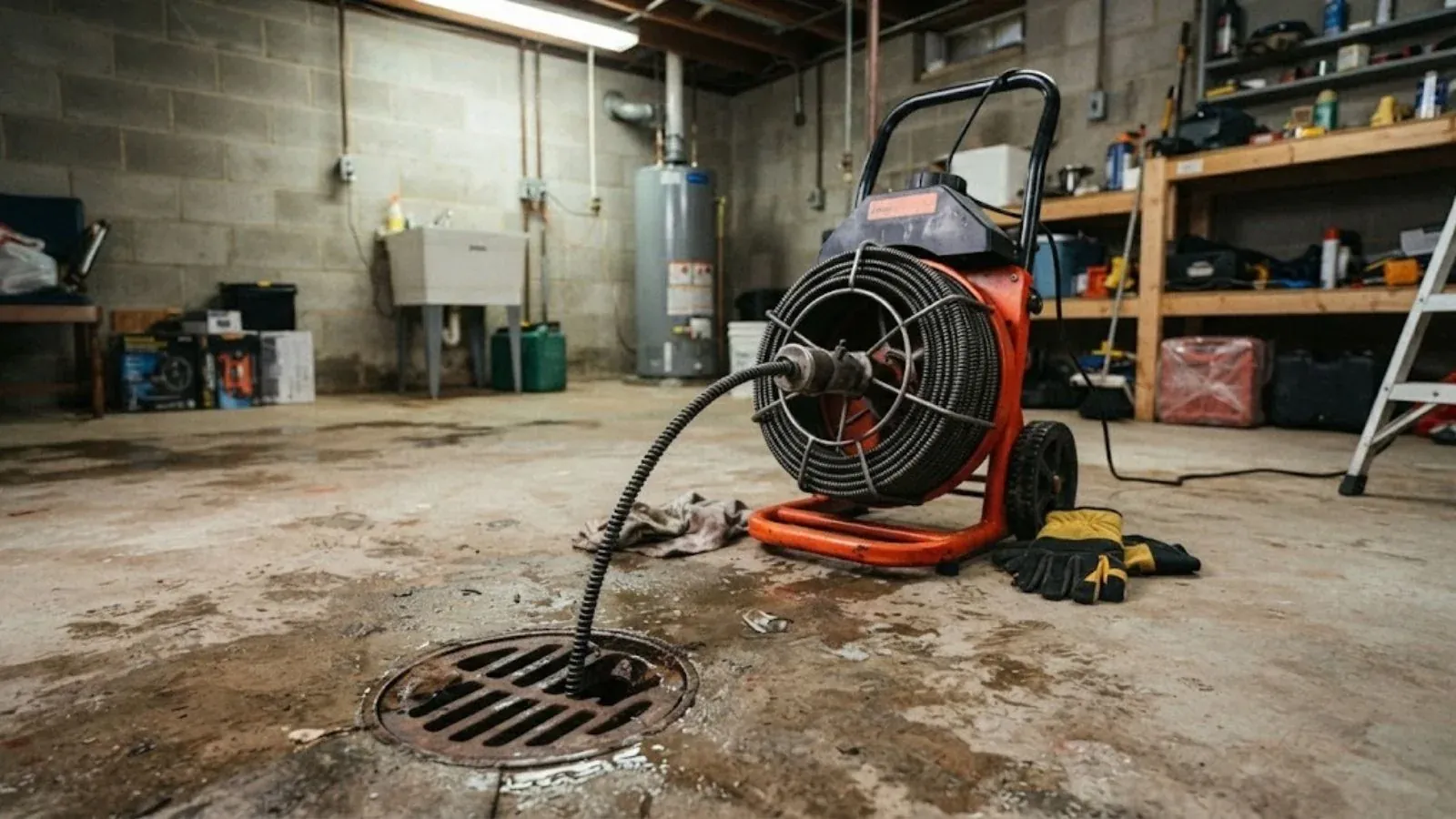
Emergency Drain Cleaning in Silver Spring, PA
Drain cleaning is the removal of a blockage from a sink, tub, shower or floor drain so water moves freely again. In Silver Spring, PA, our 24/7 line sends a licensed plumber who clears the clog and checks that the pipe runs open.
Clogged drain right now: what to do while you wait
Our line answers 24/7, including nights, weekends and holidays, and we book same-day appointments when available. A fixture that will not drain is rarely a safety problem by itself. Still, a full tub or a sink of dirty water can soak a floor quickly, so use the steps below while the plumber is on the way.
If a second fixture gurgles or rises too, the blockage may sit in the main line. Tell the dispatcher, and read about main sewer line cleaning so you know what that call involves.
- Stop all water use, including the dishwasher and washing machine.
- Bail standing water from the sink into a bucket instead of letting it sit.
- Clear the cabinet under the sink and lay down a towel.
- Put a towel at the base of a tub that is close to overflowing.
- Leave the drain cleaner bottle on the shelf. Chemicals left in the pipe can burn the person who opens it later.
- Note which fixtures are slow or backed up. That tells the plumber how deep the clog sits.
Symptoms, likely causes and the first fix
Most drain complaints fall into a handful of patterns. This table matches what you see to the usual cause and the usual first move.
| What you see | Likely cause | Typical first step |
|---|---|---|
| One sink drains slowly, the rest are fine | Grease, soap or food film narrowing that branch | Clean the trap, then run a hand-cranked cable |
| Tub or shower water pools around your ankles | Hair wound around the stopper or a soap plug in the trap | Lift the stopper, pull the hair, cable if water stays |
| One drain gurgles when another fixture runs | Partial blockage on that branch, or a vent that is not breathing | Cable the branch and check that the vent is open |
| Toilet and tub both back up together | Blockage past the branches, in the main drain | Stop using water and call for main line cleaning |
| Sewer smell and a sluggish floor drain | Dry trap, or debris in the floor drain line | Refill the trap, clear the grate, then cable |
| Slow again a few weeks after cleaning | Scale, roots or a sagging section | Camera look, then a jetting visit |
A table can only point toward a cause. The plumber who comes out confirms it by how the cable behaves and what comes back on it.
How snaking a drain works, step by step
Snaking, also called cabling, pushes a flexible steel cable with a cutting or hooked head through the pipe. It suits blockages close to the fixture, such as hair, a soap plug or a wad of paper.
- Choose the access point
The plumber pulls the trap, opens a cleanout, or goes in through the fixture, whichever reaches the line with the least mess.
- Feed the cable
A hand crank or small drum machine turns the cable as it advances. The plumber feels for the spot where it stops or springs back.
- Break up or hook the clog
The turning head bores through soft material or snags it so it can be pulled out and bagged.
- Flush and test
Hot water, then several fixtures run together, show whether the pipe is fully open or only partly clear.
- Reassemble and check joints
The trap and fittings go back on, and the plumber watches for drips while water runs.
Kitchen sink clogs: grease, scraps and the disposal
Kitchen drains clog differently from bathroom drains. Cooking fat cools inside the pipe and coats the walls, then catches rice, coffee grounds and scraps until only a trickle gets through. The slowdown often builds for weeks before the sink stops.
If you have a food waste unit, run cold water and press the reset button on its underside. A disposal that hums but will not spin is a garbage disposal repair job rather than a drain job, and forcing it can burn out the motor.
Most kitchen branches yield to a hand cable or small drum machine. Packed grease sometimes needs a second pass after hot water softens it, so expect the plumber to run water between passes.
Shower and tub drains that empty slowly
Showers and tubs clog with hair and soap scum, usually within the first foot or two of the drain. Lifting the stopper or strainer and pulling out the wad clears many of them. If water still sits afterward, the trap below the tub may hold a soap plug that a short cable can reach.
A drain that leaks instead of clogs
A wet cabinet floor, a ceiling stain under a bathroom or damp drywall near a drain line can mean a leaking joint rather than a blockage. Drain leaks only show while water runs, so fill the fixture, release it and have someone watch below. Report where and when it drips, and the plumber can tell whether a fitting or a stretch of pipe needs replacing.
What you can try yourself, and where to stop
A few low-risk steps are worth trying before you call.
- A cup plunger with a wet seal clears many sink clogs. Block the overflow opening with a damp rag first.
- A small hand auger from a hardware store can reach a tub trap. Stop if the cable meets firm resistance.
- Never mix chemical cleaners, and never plunge after pouring one in. Splashback burns skin and eyes.
- Do not push a power auger through a fixture you cannot see into. It can scratch porcelain and kink the cable.
- If a second fixture starts to gurgle or rise, stop and call. The problem is past the branch.
Older homes in Columbia and Silver Spring, and what lives in their drains
Columbia was founded in 1726 on streets that long predate modern plumbing, and many of its homes have been renovated one room at a time. That can leave a cast iron or clay drain under the floor feeding newer plastic branches, with rough joints where the two meet. Rough joints catch paper and grease, so a repeat clog in an older home deserves a camera look. Our Columbia emergency plumbers cover that side of the river.
Around Silver Spring itself, along Route 23 and Ironville Pike, many addresses are rural route and some homes use septic. If yours does, say so before any cleaning starts. Debris pushed past the branch ends up in the tank, and a recent pumping report helps the plumber judge how full it is.
What drives the cost of drain cleaning
Cost follows where the blockage sits, how the pipe is reached and what the plumber finds. A clog in a trap a foot below a sink is a short job. A blockage beyond a second-floor bath, or one that needs a cleanout added to the line, takes longer.
A blockage near the fixture is quick to reach. One beyond a bend or a floor away needs more cable and more time.
A removable trap or an existing cleanout speeds the job. A sealed line may need a fitting added first.
Hair and soap clear fast. Packed grease or a foreign object can need repeat passes.
One fixture and a whole bathroom group are different scopes of work.
After-hours dispatch differs from a scheduled weekday visit, and the price is explained before work starts.
Coverage for water damage from a backed-up drain varies by policy, so ask your insurer, and photograph the damage first. Pictures of standing water, wet cabinets and the fixture itself help that conversation.
Want a clear price before the cable goes in? Then call (717) 349-9373 and describe which drains are slow.
Drain Cleaning questions answered
Yes. The line is staffed 24/7, and the dispatcher asks which fixtures are affected, whether water is overflowing and whether it has reached a lower floor. Same-day visits are booked when the schedule allows. While you wait, stop running water and use the checklist near the top of this page.
Slow drainage usually means a partial blockage: a film of grease, soap and hair that narrows the pipe without sealing it. Water still passes, only more slowly. Left alone, it tends to end in a full clog at an inconvenient hour.
A plunger works on blockages within a few inches of the opening. A cable reaches the trap, the bend behind it and the branch beyond. Try the plunger first on a sink or tub, and call if one or two firm tries change nothing.
Careful cabling rarely harms sound plastic or copper. Old, scaled cast iron and cracked clay can suffer from aggressive tools, so the plumber who comes out picks the head and the force for the pipe in front of them. Tell them what the pipe is made of if you know.
Run water and watch the lowest drain in the house. If a basement floor drain or a first-floor tub backs up while you flush upstairs, the blockage is likely in the main line. Our page on clearing the main line covers that case.
A repeat clog usually means something is still in the pipe: scale on the wall, roots in a joint or a section that sags. Hydro jetting scours the pipe wall, and a camera look shows which of those is the cause.
Where the rules in this drain cleaning guide come from
- According to the Pennsylvania Office of Attorney General's Home Improvement Consumer Protection Act brochure, contractors doing $5,000 or more of home improvement work in a year must register, and a written contract is required when work costs more than $500. Check any contractor at attorneygeneral.gov.
Call the 24/7 line about drain cleaning
Describe the problem to the dispatcher and a licensed plumber is sent when the work is urgent.