
Does Coconut Oil Clog Drains in Silver Spring, PA?
Yes, coconut oil can clog drains. It melts near room temperature, so it runs down the pipe as a liquid and turns solid again once the pipe cools. A homeowner in Silver Spring, PA can usually avoid the problem with a few kitchen habits and clear an early clog with simple tools.
The direct answer and why it happens
Coconut oil is a saturated fat, and saturated fats harden as they cool. Poured down a sink with hot water, it looks harmless. A few feet later the pipe walls pull the heat out, and the oil coats the inside as a waxy film. That is general plumbing knowledge and it applies to any home.
The film catches food bits, hair and soap scum, so the clog grows from the outside in. Flow slows first, then stops. A homeowner in Landisville or Mountville who sees a sink drain slowly a week after pouring off a greasy pan has probably seen this process start.
Why hot water and dish soap do not fix it
Hot water melts the oil and carries it further down the line, where it cools in a spot you cannot reach. The clog moves instead of leaving. Dish soap breaks grease into smaller droplets, but it does not make the oil disappear from the pipe, and the droplets can settle again in a cold section.
A kitchen drain line often runs through a cool crawlspace or wall before it meets the main drain. That cool stretch is where grease collects. A bathroom drain sees the same trouble when coconut oil from hair treatments or skin products washes off in the shower.
Clearing a slow drain at home
These steps suit a single sink that drains slowly or is blocked, with no sign of trouble in other fixtures.
- Scrape and wipe, then stop the flow
Stop pouring water down the drain. Remove any standing water with a cup and scrape visible grease from the strainer into the trash.
- Plunge with a seal
Use a flat-bottom cup plunger over the drain and block the overflow opening with a wet rag. Push and pull steadily for about a minute, then see whether the water falls.
- Open the trap
Place a bucket under the curved P-trap, loosen the slip nuts by hand or with pliers and remove the trap. Clear the grease and hair into the bucket and rinse the trap in a utility sink.
- Use a hand snake with care
Feed a small hand auger into the open pipe in the wall and crank it slowly. Pull it out slowly, because the grease on the cable is messy.
- Reassemble and test
Refit the trap with the washers seated flat. Run warm water, not hot, and check each joint for drips.
Which clog is it? A quick decision table
Where the problem shows up tells you how deep the clog sits and who should handle it.
| What you notice | Likely location | First move |
|---|---|---|
| One kitchen sink drains slowly | Trap or branch line under that sink | Scrape, plunge, then clean the trap yourself |
| The sink clears briefly and clogs again within days | Grease coating further down the branch line | Stop pouring fat down the drain and call about professional drain cleaning |
| Two or more fixtures drain slowly or gurgle | Shared branch or main drain | Stop using water and call a plumber |
| Water appears in the tub or a floor drain when the washer or sink runs | Main sewer line | Stop all water use and call right away |
| Grease smell with a slow drain, no standing water | Film in the trap or vent trouble | Clean the trap and see whether the smell returns |
Gurgling at a second fixture is the plainest sign that the problem has moved past what a plunger can reach.
Better ways to deal with coconut oil and other fats
- Let used oil cool, pour it into a sealed jar or can, and put it in the trash.
- Wipe greasy pans with a paper towel before washing, then compost or bin the towel as local rules allow.
- Use a sink strainer to catch food scraps that glue to a film of fat.
- Rinse hair oil and body oil products with plenty of water and brush hair before the shower to limit residue.
- Skip the grease-cutting pour-in products that promise to dissolve fat, because they may only move it down the line.
- Treat a kitchen sink that slows every few weeks as a sign of buildup, and ask for a camera look instead of repeating the same fix.
Worth knowing: chemical drain openers are a poor choice for a grease clog
Caustic openers can sit in a blocked line and eat at pipe joints or burn skin during a later repair. If the standing water is full of chemicals, the plumber who comes out has to work around it. Plain mechanical clearing is safer for you and the pipe.
If you already poured a chemical product, tell the plumber on the phone. Wear gloves and eye protection near the sink and keep children and pets away.
When the clog is past the sink
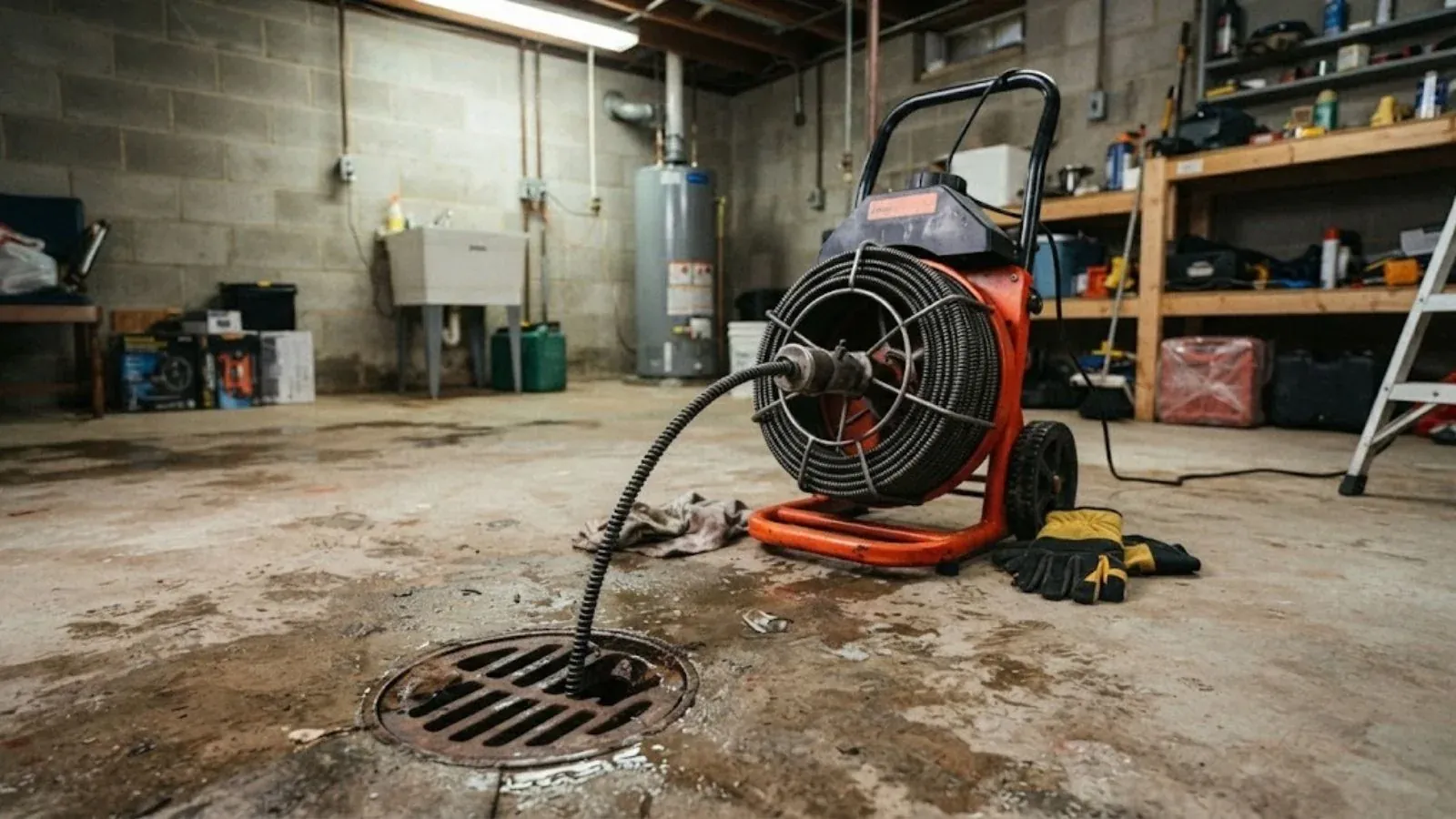
A true main line problem shows up as slow tubs, gurgling toilets or water backing up at the lowest drain in the house. Grease alone seldom builds a main line clog in a home, but it can combine with roots, wipes and scale over months. At that point the work is sewer line cleaning, which uses a larger cable or water-jetting tool from the cleanout outside or in the basement.
Ask the company what method they plan to use and whether they will show you what came out. If the same drain clogs again soon after cleaning, ask for a camera inspection before paying for a third cleaning.
Silver Spring homeowners: septic systems and the pumping notice
West Hempfield Township posts a notice asking septic owners to have their pumping hauler send the pumping report to the township. That tells you septic systems are common enough here to be managed by notice. Many homes in and around Silver Spring use rural route addresses, so check whether yours connects to public sewer or a private tank.
On a septic system, fat that leaves the kitchen can collect as scum in the tank, and your hauler is the person to ask about it. Tell them if you pour oils down the drain. On public sewer, the same grease still builds up in your own line and in the pipe under the street, so the habits above apply either way.
The township building permit form asks owners to mark sewer as public or private, so that answer is on record somewhere. If you are unsure, check your sewer bill or ask the township office.
Local facts here come from the West Hempfield Township website notice for septic owners and its building permit application form.
Quick answers to common questions
A spoonful rinsed with lots of cold water is unlikely to cause trouble on its own. The danger is repetition, because each pour leaves a thin film. Wiping pans first costs nothing and removes most of it.
It hardens at a warmer temperature, so it tends to set sooner in the pipe. Liquid vegetable oil can still coat pipes and combine with food and soap. All cooking fats are best kept out of the drain.
It bubbles and may loosen light residue near the surface, but it does not melt a solid grease plug further down. If the first try fails, move on to the plunger and trap steps rather than adding more products.
More than one fixture is affected, a toilet gurgles when the sink drains, or water shows up at the lowest drain. Stop using water and call. A plunger will not reach that far.
No. The township notice is about sending pumping reports from your hauler. Talk to your hauler about what goes into the tank and how often it needs pumping.
Sources behind this guide
- According to the Pennsylvania Office of Attorney General's Home Improvement Consumer Protection Act brochure, contractors doing $5,000 or more of home improvement work in a year must register, and a written contract is required when work costs more than $500. Check any contractor at attorneygeneral.gov.
- West Hempfield Township website (westhempfield.org), for the township's permit application, building code official and septic pumping notice.
Want a plumber to look at it?
Call the line, describe what you see, and ask for a same-day appointment when available.